

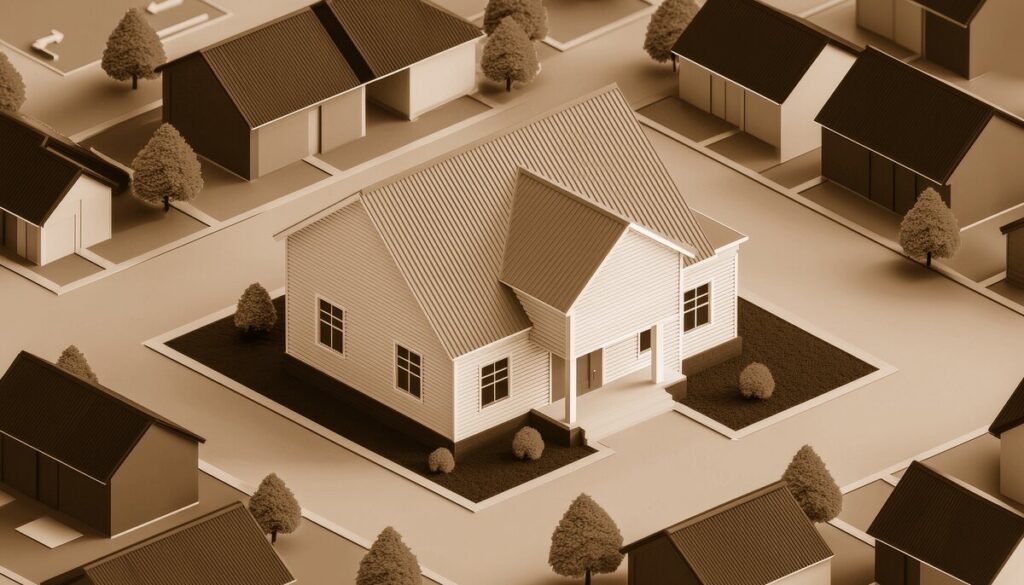
Nestled atop rolling hills overlooking the bustling heart of Blue Ridge, GA, the neighborhood of Blue Ridge Heights stands as a testament to the enduring charm and evolving story of our mountain community. Ask any longtime local and you’ll hear tales that reach back to the dawn of the twentieth century, lush with fond memories, architectural gems, and the quiet majesty of Appalachia. Join me as we explore the roots, milestones, and lasting spirit of Blue Ridge Heights — a neighborhood that continues to shape the character of our beloved mountain town.
Origins: A Dream on the Ridge
The storied history of Blue Ridge Heights begins in the early 1900s, at a time when the expansion of the railroad brought new people and possibilities to Fannin County. Lured by the cool mountain breezes and sweeping vistas, well-to-do families from Atlanta and beyond began seeking summer escapes atop the ridges flanking the young town. What is now known as Blue Ridge Heights was once a patchwork of rural farmland and wild woodland, with the first formal subdivision plans taking root in the 1920s.
The name “Blue Ridge Heights” was chosen both for its literal elevation above downtown Blue Ridge and for its panoramic views of the storied Blue Ridge Mountains. Early real estate advertisements played up its tranquil setting, promising “clean mountain air” and “unburdened living” to urban dwellers seeking respite from city life.
Key Historical Milestones
Blue Ridge Heights soon emerged as a neighborhood of note, thanks in part to a handful of visionary developers and residents who saw the potential for a true mountain retreat. Several milestones stand out:
- 1924 – The first homes are built along Highland Street and Ridgecrest Drive, mostly as summer cottages featuring wraparound porches and stone fireplaces.
- 1938 – The iconic Blue Ridge Heights Gatehouse, a stone structure on Summit Avenue, is finished, serving as both a welcome landmark and social gathering spot for residents.
- 1950s – As year-round living grows in popularity, larger homes and bungalows replace some of the original cabins. The character of the neighborhood subtly shifts to embrace a blend of seasonal and permanent residents.
- 1976 – Blue Ridge Heights celebrates its first annual “Spring on the Heights” festival, a tradition featuring neighborhood garden tours, music, and storytelling that continues to this day.
Notable Landmarks and Buildings
Walking through Blue Ridge Heights is a history lesson in itself. The area is dotted with well-preserved homes and iconic buildings, each with its own story:
- The Gatehouse on Summit Avenue: Still standing, this charming stone building once served as the community’s unofficial clubhouse, hosting everything from summer suppers to town meetings.
- Ezra M. Long House (circa 1925): Located at the corner of Highland Street and Oakwood, this original Craftsman-style cottage remains one of the oldest surviving structures in the neighborhood.
- Heights Overlook Park: Established in the 1960s atop a bluff along Crestwood Drive, this tranquil green space offers the best vantage point for sunset views over Lake Blue Ridge and the mountains beyond.
Part of what makes Blue Ridge Heights memorable are the mature trees lining the neighborhood — many planted during a WPA beautification project in the 1930s. Towering oaks and dogwoods shade Ridgecrest and Laurel streets, their blossoms marking the arrival of each new season.
Institutions and Community
Though Blue Ridge Heights retains a quiet, residential feel, it’s never lacked for community spirit. The neighborhood association, founded in the 1950s, remains active with regular meetings and block events — fostering a sense of close-knit belonging rarely found nowadays.
The nearby Blue Ridge Elementary School, though technically outside the neighborhood’s boundaries, became a fixture in the lives of Heights families, with generations of children walking to school together down tranquil, leafy lanes.
Many residents also participate in stewardship of neighboring parks and the famed Blue Ridge Scenic Railway, which passes just below the southern border of the Heights. The train’s distant whistle is a nostalgic reminder of how vital the railway was — and still is — to life in this corner of Georgia.
Changing Yet Cherished: Evolution Over the Decades
As with all special places, Blue Ridge Heights has evolved alongside the rhythms of the larger Blue Ridge community. Postwar growth brought new families and architectural styles, with mid-century ranches rising next to vintage cottages. In recent decades, careful renovations and an influx of creative new residents have given the neighborhood a vibrant, enduring appeal.
- The once-seasonal cottages now house families, retirees, and second-homeowners alike.
- Community gardens and trails along Laurel Street are popular gathering spots for all generations.
- Annual traditions, like luminary walks during the holidays, continue to bring neighbors together in celebration of Blue Ridge’s small-town magic.
Even as some longtime residents age and new faces arrive, the shared love for the neighborhood’s history and landscape creates a strong bond. From the golden sunrise views on Crestwood to the laughter echoing at the Gatehouse, Blue Ridge Heights remains a refuge of mountain heritage and neighborly warmth.
What Makes Blue Ridge Heights Special
Perhaps what most sets Blue Ridge Heights apart is its timeless sense of place. Here, you’ll find:
- Quiet streets winding through a canopy of trees.
- Homes with front porches built for storytelling and sunset watching.
- Neighbors always willing to lend a hand or share a memory.
Whether you’re a visitor strolling past the historic houses or a resident lucky enough to call the Heights home, the neighborhood’s legacy and beauty are impossible to miss. More than just a collection of streets and homes, Blue Ridge Heights is a living chapter in the story of Blue Ridge — one that continues to inspire, shelter, and unite all who pass through its gates.